During the stay
Spot the stay that is going wrong
Throughout the stay it keeps an eye on how each guest’s requests are going and what they have said, and flags the ones who need a person.
Voice, WhatsApp, or a feature-rich web app - in their language, on top of the property system you already run.
Nothing to download and nothing to learn. Guests scan the code by the bed and get your own feature-rich web app - menus they can browse, pictures, buttons, a live view of what they asked for. Prefer to just message? The same concierge answers on WhatsApp. Prefer to talk? It picks up the phone.
No app to install and nothing to plug in. A card by the bed with a code on it, or your WhatsApp number. That is the whole setup, for every guest.
A guest scans the card by the bed, asks out loud, and the request is already on its way to your team.
A guest can ring it and just talk, the way they would talk to your front desk. They can cut in halfway through and it keeps up. No menus, no “press one”, no hold music.
Behind the code by the bed is a feature-rich web app carrying your brand - menus with pictures, your spa hours, your services, and a live view of everything they have asked for. Guests who would rather stay in WhatsApp can, and get the same concierge either way.
Most Indian languages, and the international ones your guests travel with. A guest can start in Marathi, drop into English for a dish name and carry straight on. Your team read it in the language they work in, so nobody is hunting for a colleague who speaks their language.
Everything it tells a guest comes from what you have given it about your hotel. If it does not know, it says so and offers a colleague - it will never invent your check-out time or promise a late one.
Dish by dish, with prices, in the guest’s language. Same for your spa, your pool hours and your airport transfer. They choose, and the order reaches your kitchen without anybody relaying it.
Changing their mind updates the job your team already has - it does not send a second, contradictory one up to the floor. Guests can also ask where it has got to, or cancel, in the same breath.
A real conversation, not a menu. He asks for towels, and a housekeeper is at the door with them.
● Guest wrote in Marathi and English · housekeeping reads it in Hindi
“Bhaiya, do bottle paani aur extra towels room 204 mein bhej dijiye.”
When the answer is not in what you gave it, it does not guess. It puts the guest through to a person.
He orders by talking. The kitchen sees it straight away, and it is at his door without anybody relaying it.
One request, edited. Housekeeping does not receive a second, conflicting task.
खोली 305 मध्ये दोन टॉवेल पाठवू शकाल का?
नक्कीच, आत्ताच पाठवत आहोत.
कमरा 305 · दो तौलिये
Room 305 · 2 towels
Guests can switch language mid-sentence, or mix Marathi, Hindi and English the way people really speak. Each colleague sees the request in the language they chose.
The concierge doesn’t argue and doesn’t loop. It checks that this is really what the guest wants before it rings anybody.
Someone at the front desk, on shift right now, on a phone that can actually ring. If nobody fits, the guest is told plainly instead of being put through to silence.
Not a department and not a queue - a named colleague, with their role shown to the guest. If they miss it, the next person is offered the call.
The concierge steps out once a colleague is on the line. No third party listening in, no robotic summary read out to the guest.
It never interrupts a colleague on a guess - the guest has to ask, and somebody has to actually be there.
Front desk juggling a check-in queue while the phone keeps ringing. Calls go unanswered because there is one person and three demands.
 AI-generated image
The AI picks up straight away and talks back like a person. Guests can cut in mid-sentence. The desk stays with whoever is standing in front of it.
 AI-generated image
A room phone, a queue, and a guest who has to switch out of their own language to be understood.
 AI-generated image
Most Indian and international languages, and the guest can switch language mid-sentence without restarting. From bed, in a WhatsApp thread they already have open.
 AI-generated image
Handwritten notes change hands at shift end. No room confirmation, no priority, no record that it ever existed.
 AI-generated image
It lands on the phone of someone who is actually on shift, with the room, what is needed, and how long they have.
 AI-generated image
A missed request turns up later - in a report or a public review - long after anyone could put it right or say who had it.
 AI-generated image
The clock is visible to everyone. If it runs over, it goes up the chain and a manager sees it - while there is still time to fix it.
 AI-generated image
The phone is picked up every time, even in the check-in rush, so no guest is left on hold.
Guests use WhatsApp or open a web page from a code by the bed. There is nothing for you to build or for them to download.
Guests are served in their own language and your team reads every request in theirs.
Routine requests go straight to the right team, so reception stops being a switchboard.
The concierge takes the routine, and hands the guest to a colleague whenever they ask.
A wall phone rings a place, not a person. A walkie-talkie wakes up a corridor. A staff WhatsApp group leaves no record and never switches off. Ask for housekeeping instead, and it rings whoever is actually on shift.
Nobody gets two calls at once. If someone is already on the line we ring the next person instead, so a guest is never handed to a phone that is engaged.
The guest sees who is on shift and taps a name. That phone rings - not a desk, not a queue.
Ask for a team rather than a name. It finds someone on shift and free, and rings their phone straight away.
You decide, rather than everyone being able to ring everyone. Front of house, housekeeping, maintenance and management each get their own reach.
For a VIP arrival or something going wrong, bring several people onto the same line at once. Switched off until you ask for it, so it is never a surprise.
Alerts go to the phones that need them and nowhere else. Nothing is announced down a guest corridor at midnight, and nobody gets buzzed on their day off.
A call that goes unanswered moves on to the next person quickly rather than ringing out. We know who is already talking, so the caller never finds out the hard way.
The guest asks for the front desk. Whoever is on shift and free picks up, on their own phone.
On-ground staff receive calls and requests; they do not open calls themselves. That keeps the floor focused on the work rather than on the phone.
“I need four people in the Grand Ballroom.” One call, and the team is on its way.
Instead of every phone at the desk ringing, the job lands quietly on the one phone on shift for it.
If nobody picks up, the call moves on to the next available person. Anyone already on a line is skipped entirely.
Radio chatter carries past guest doors, and every message goes to everyone on the channel whether it is for them or not.
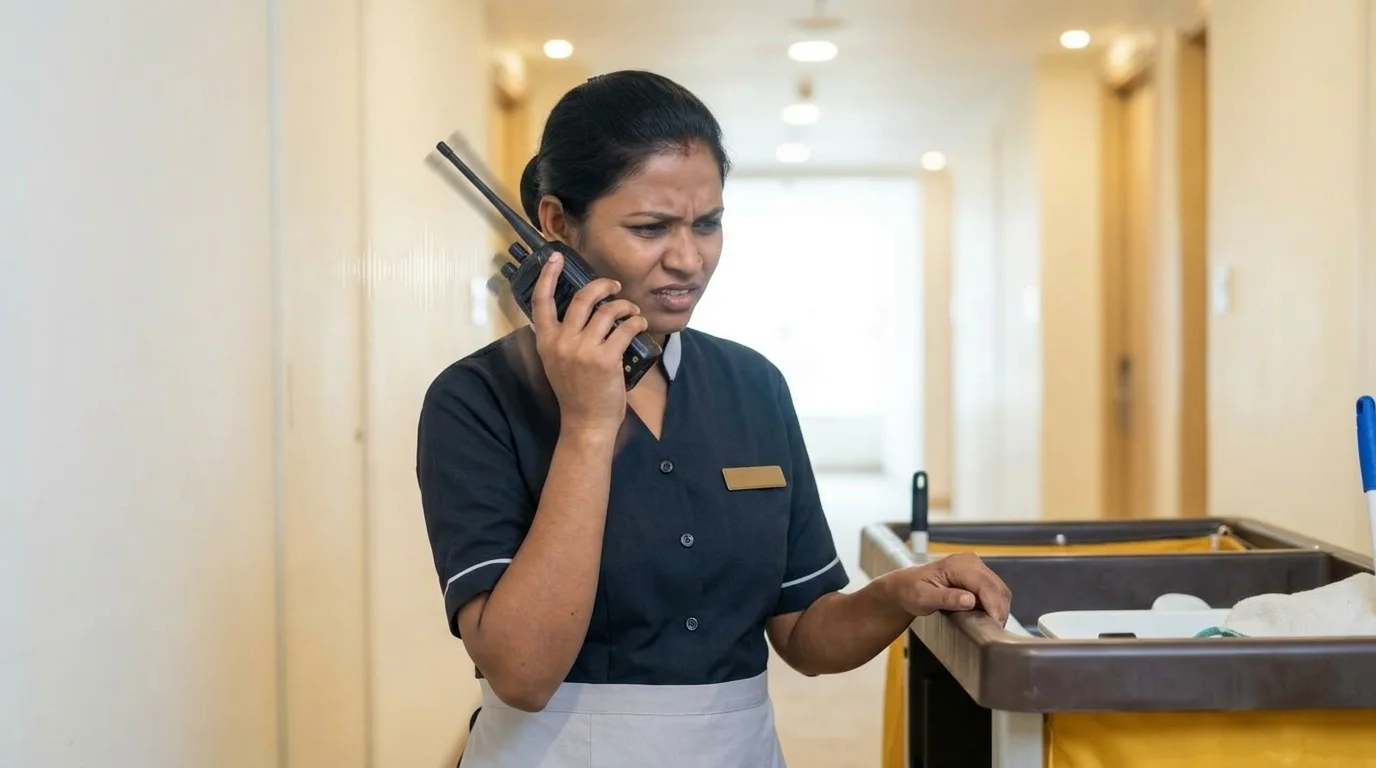 AI-generated image
Call a colleague straight from the staff app. It rings on their phone, in their pocket - not over a speaker in the hallway.
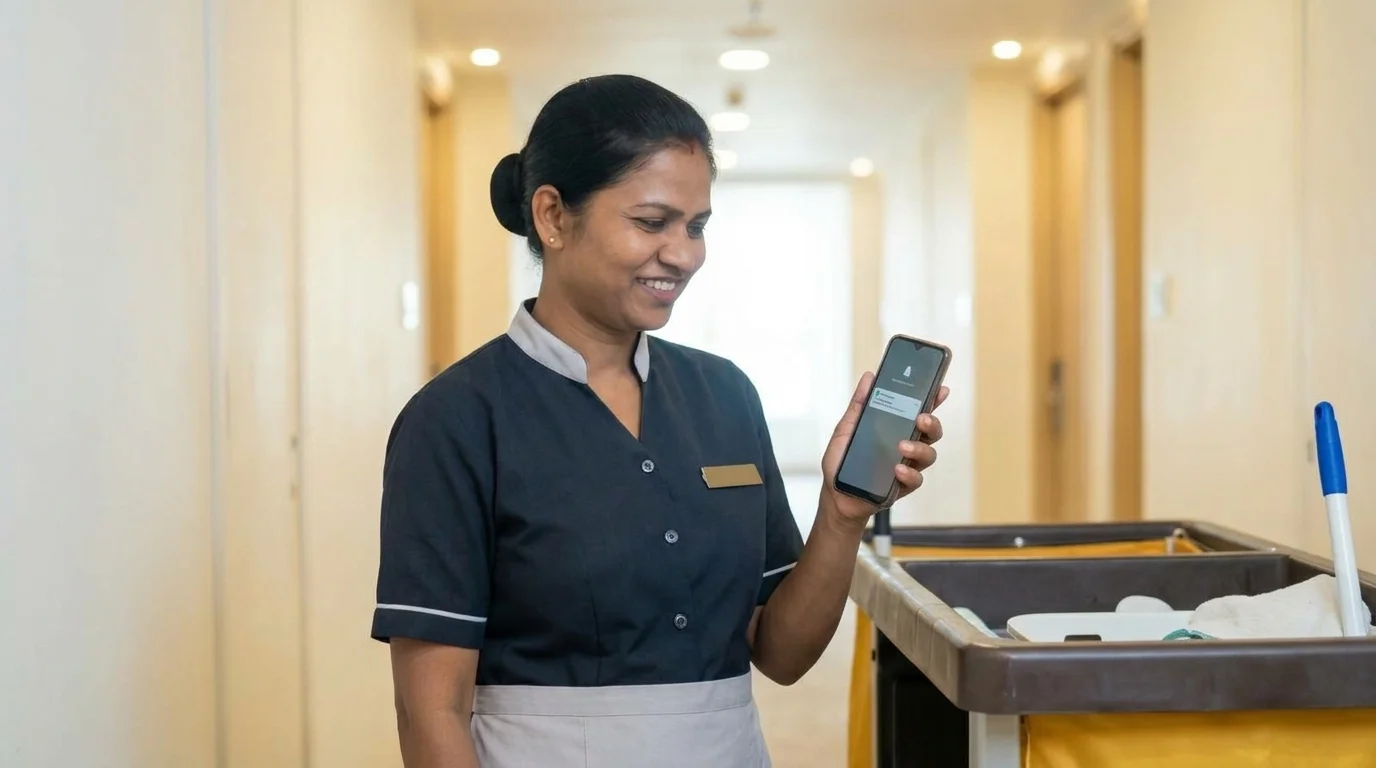 AI-generated image
Who is on shift and who is free lives on sticky notes and a handover pad, so the desk ends up asking around.
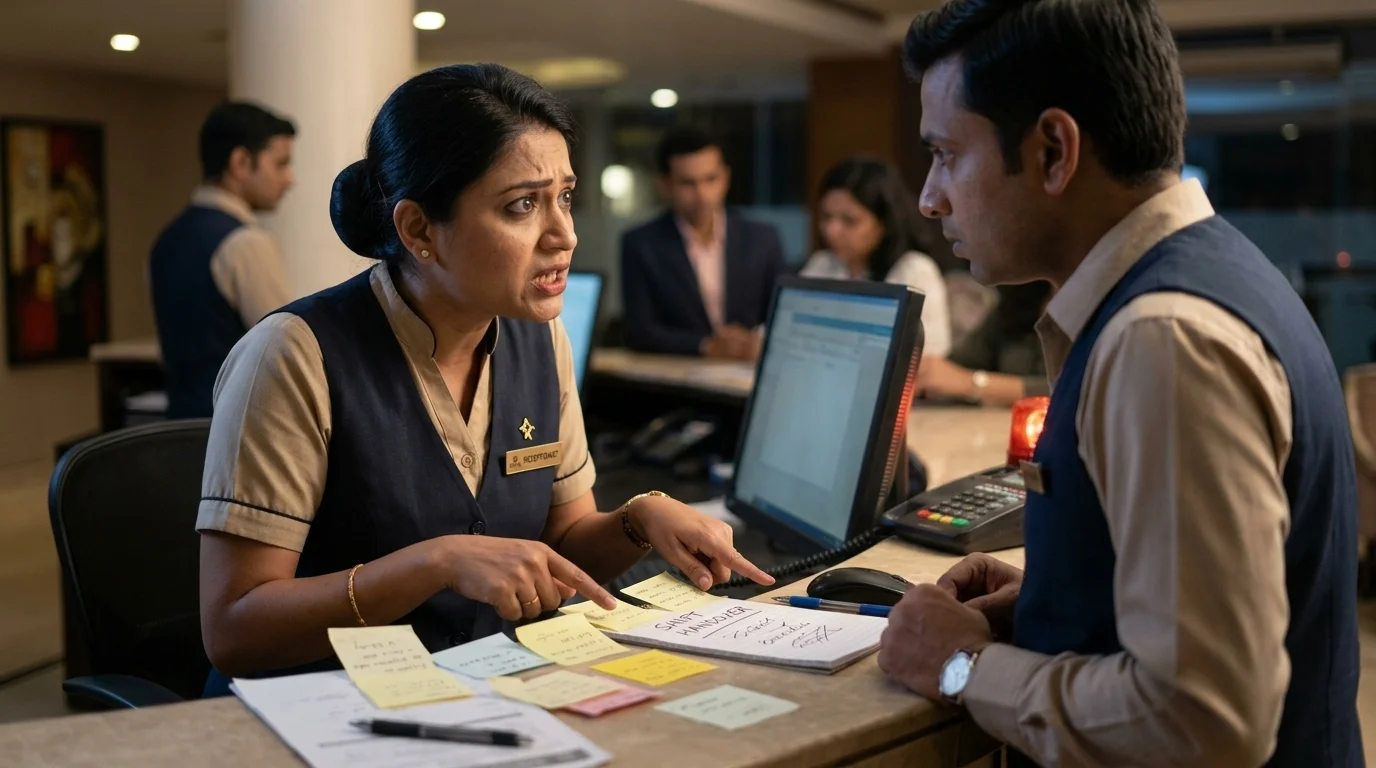 AI-generated image
One list of colleagues on shift right now - who is already on a call, and whose phone can actually ring.
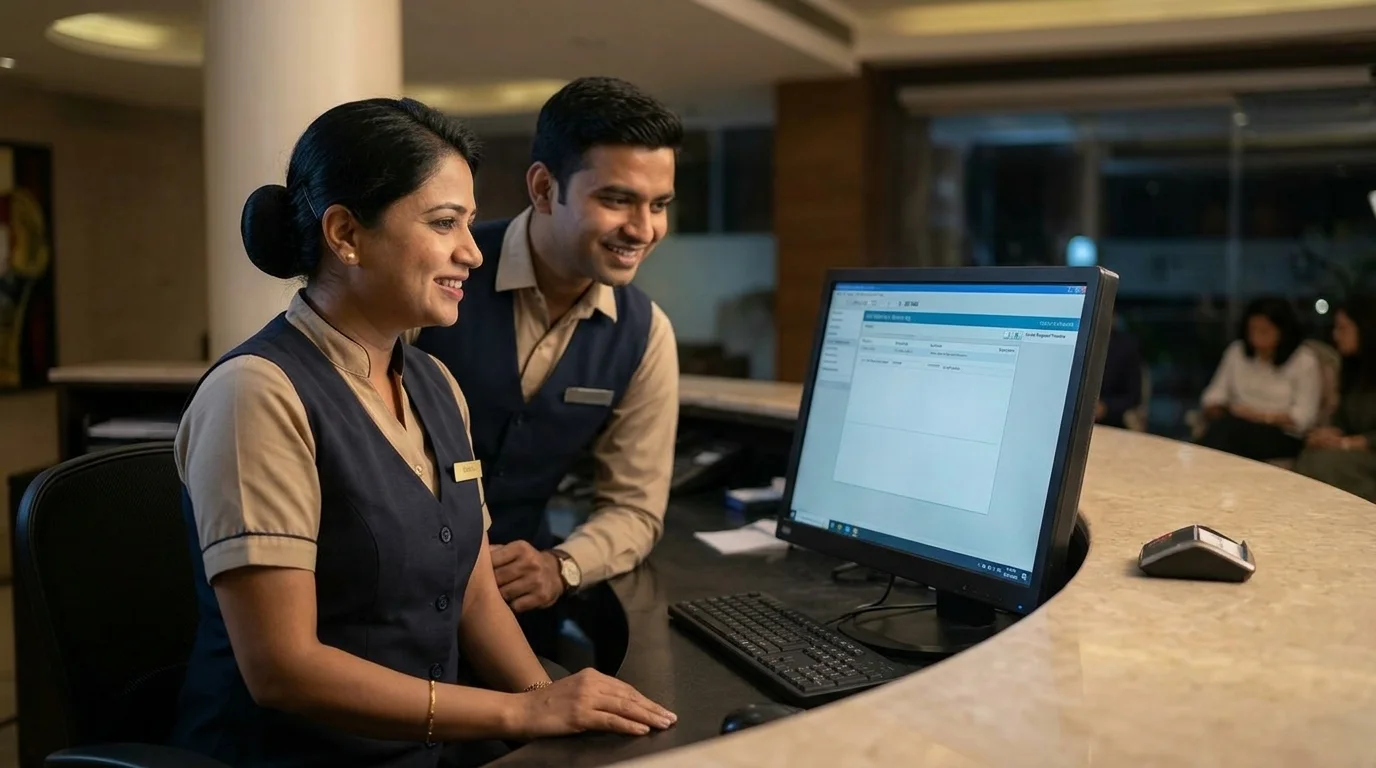 AI-generated image
Wired handsets, a maintenance contract, and a guest who has to get out of bed to use it.
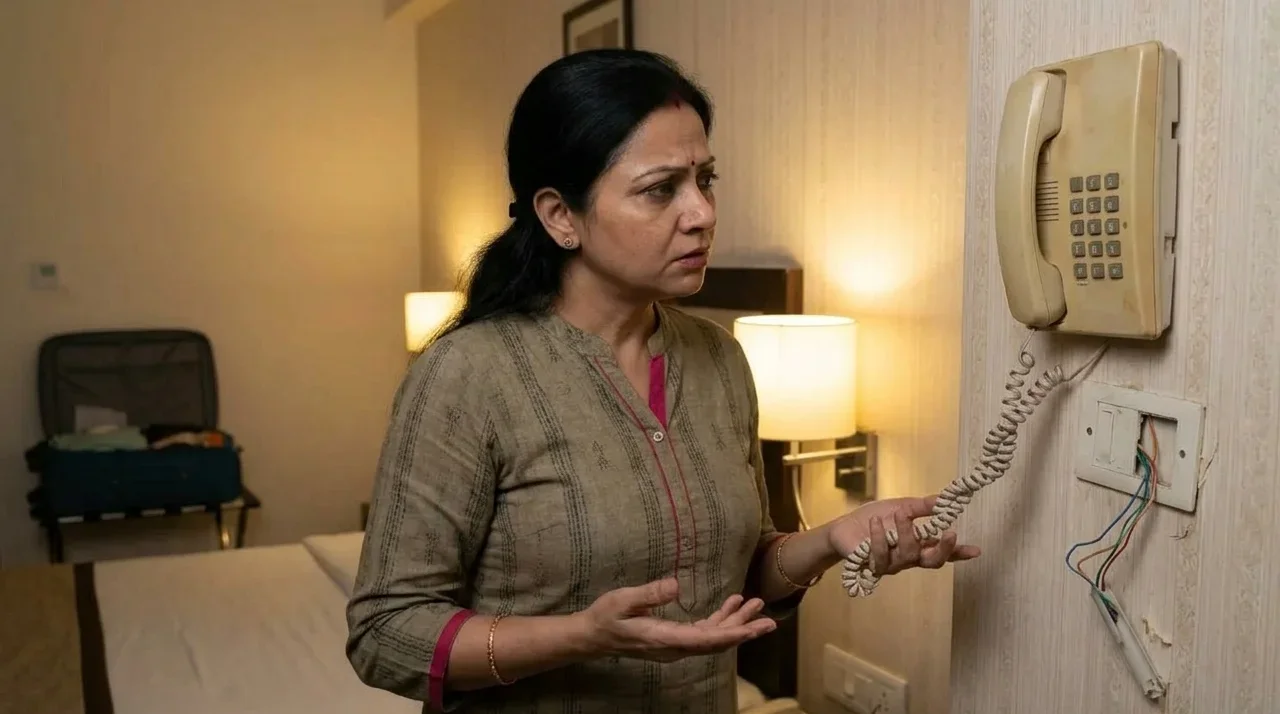 AI-generated image
From the hotel's web app on her own phone, over the Wi-Fi she is already on, straight through to the person on shift.
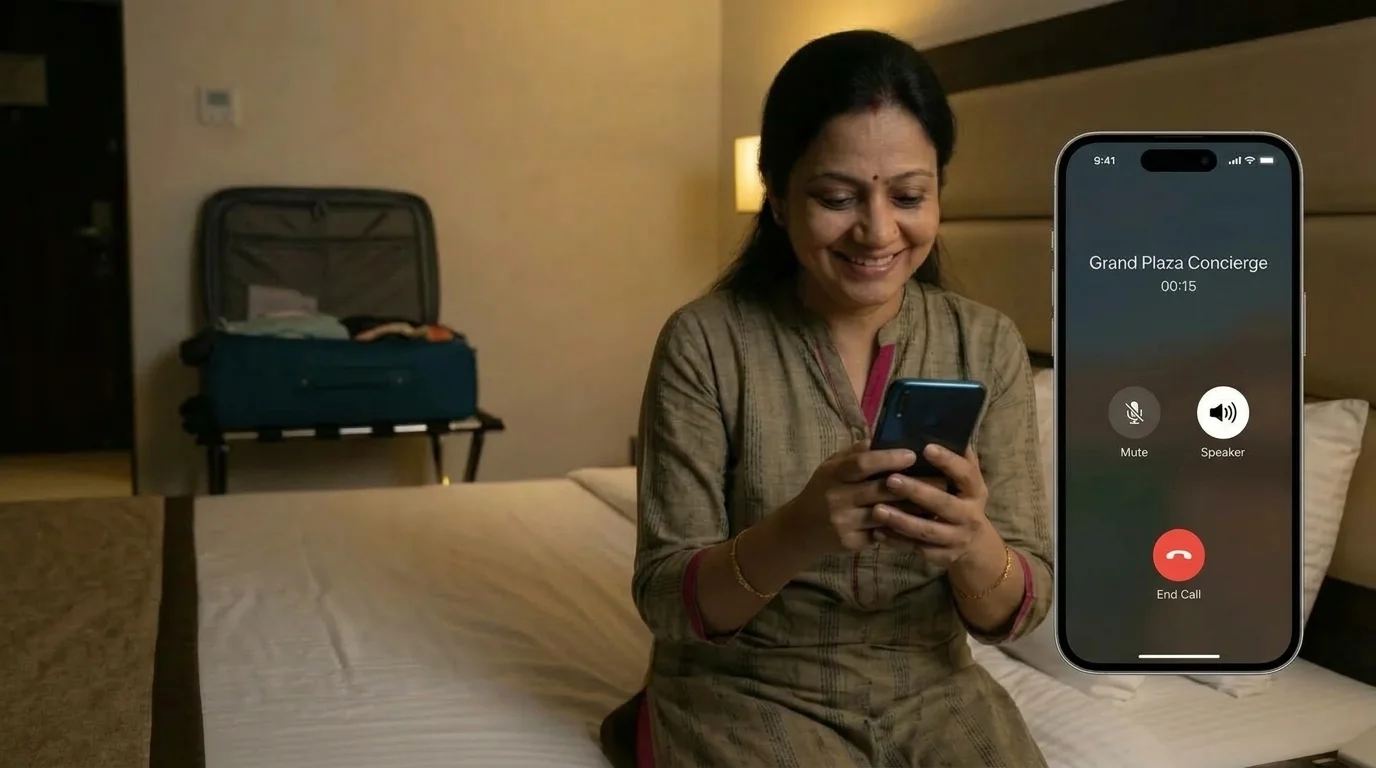 AI-generated image
A missed call leaves no trace. You find out it never arrived when the job has not been done.
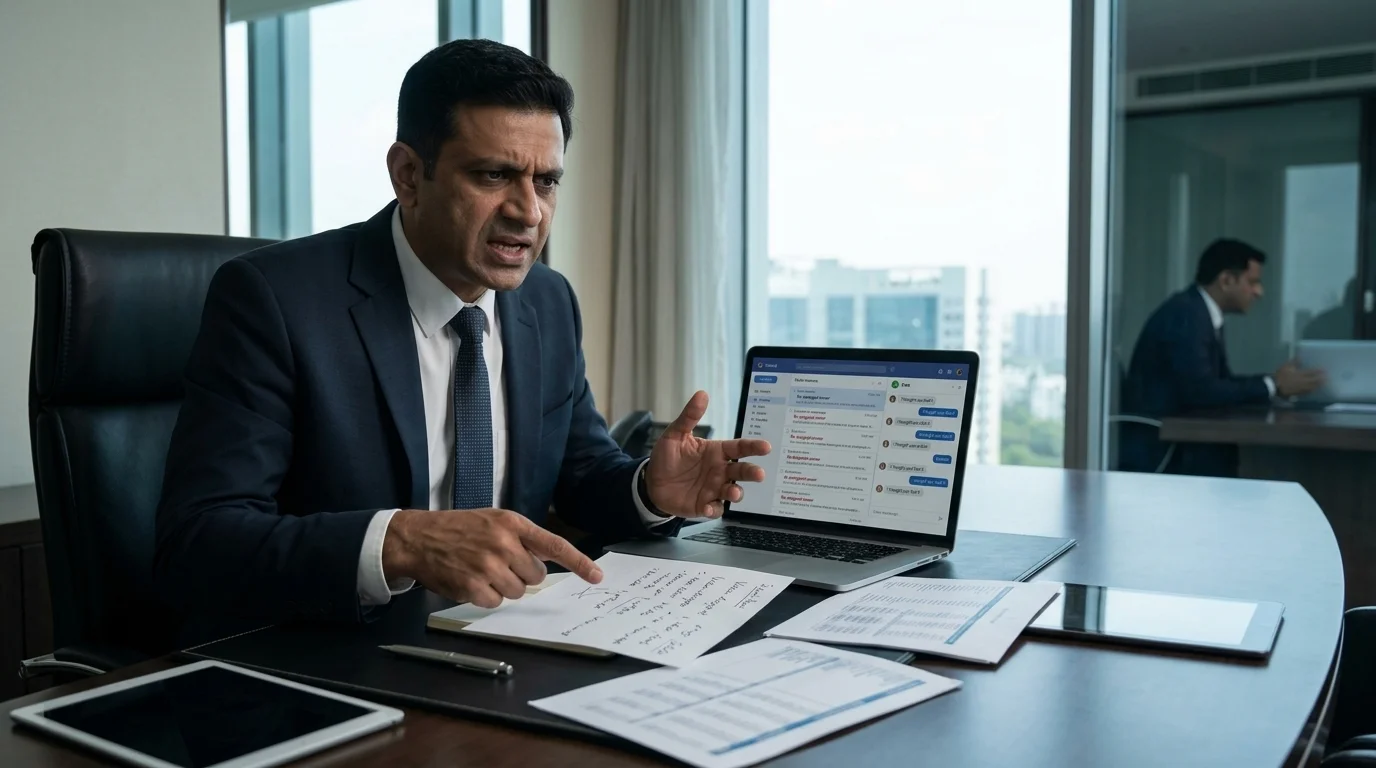 AI-generated image
Every call shows whether it was picked up, declined or missed - and a missed call can be rung again in one tap.
 AI-generated image
Everything runs on the phones your team already carry. There is nothing to wire, charge or repair.
Guests call your team from their own phone, through the web app, over the Wi-Fi they are already on.
Calls ring one phone instead of broadcasting over a radio, so nothing is heard outside guest doors.
See who is on shift and free to talk, and call them in one tap.
Two timers start the moment a guest asks for something. The first is simply has someone picked this up. The second is is it done. Both are on the screen of the person who owns it, and both are counted by us - not by the clock on somebody’s phone.
Sensible deadlines out of the box, yours to change. A drink is not a blocked drain, so each kind of request gets its own target - and every one of them turns amber before it turns red.
| Team | Expected turnaround |
|---|---|
| Front desk | Fastest - the guest is usually waiting |
| Room service | Quick - food does not improve with time |
| Concierge | Short |
| Housekeeping | Comfortable |
| Maintenance | Longest - a real repair takes a real while |
Where every request starts. It goes to someone in the right team who is on shift and has the least on - and if that room already has a job open, to whoever is already looking after it.
The first person brought in if the deadline passes. They can see the job and chase it, and you decide how much grace to allow before this happens.
Brought in next. The person who had the job still has it - nothing is handed off and nothing is duplicated. Both of them get told, on their phone and on the dashboard.
More than one person sits at this step, so a manager on leave never stalls the chain. Whoever is free picks it up.
The last step, so nothing can quietly run out of people to tell. A guest can also start this themselves - if we say a job is done and they disagree, tapping “Need help” sends it straight up.
● PRIYA S. · HOUSEKEEPING · ROOM 512
● NOT LONG LEFT · SUPERVISOR ABOUT TO BE TOLD
Each person appears once. Anyone who goes off shift drops off the list on their own.
Whoever has the least on their plate gets told first.
It goes straight up the chain. A guest should not have to hunt down a manager to be taken seriously.
If a guest asks for something else, it goes to whoever helped them last. They already know the room, the guest and what they just took up there.
Jobs go to whoever is on shift in the right team with the least on their plate. Nobody gets buried while a colleague coasts, and two people tapping at once can never end up on the same job.
Your team scan a code to start their shift, and it closes itself if they forget. If your front desk ever has nobody on it, you get an email - we would rather tell you than let a guest find out.
Every hand a job passed through, with a name, a time and a reason. “Nobody told me” stops being an answer at your morning meeting.
Basement laundry, service lift, stairwell - every hotel has them. Your team can still start and finish a job with no signal, and it catches up the moment they walk back into coverage.
One trip instead of two, and the guest sees the same face.
Nobody is on the front desk at Lakeside Retreat right now.
Emailed to you · checked again shortly · we will not spam you about it
Held on their phone, and sent the moment they have signal again.
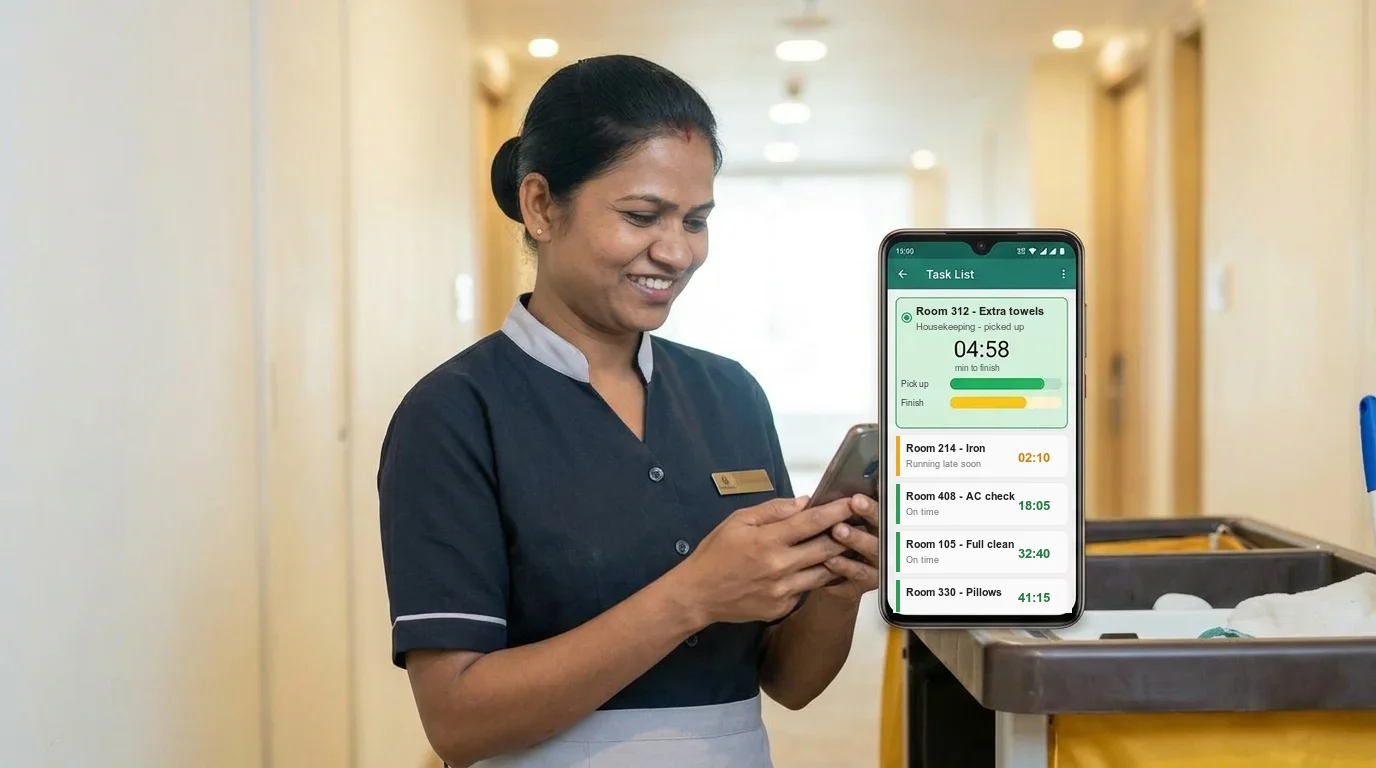
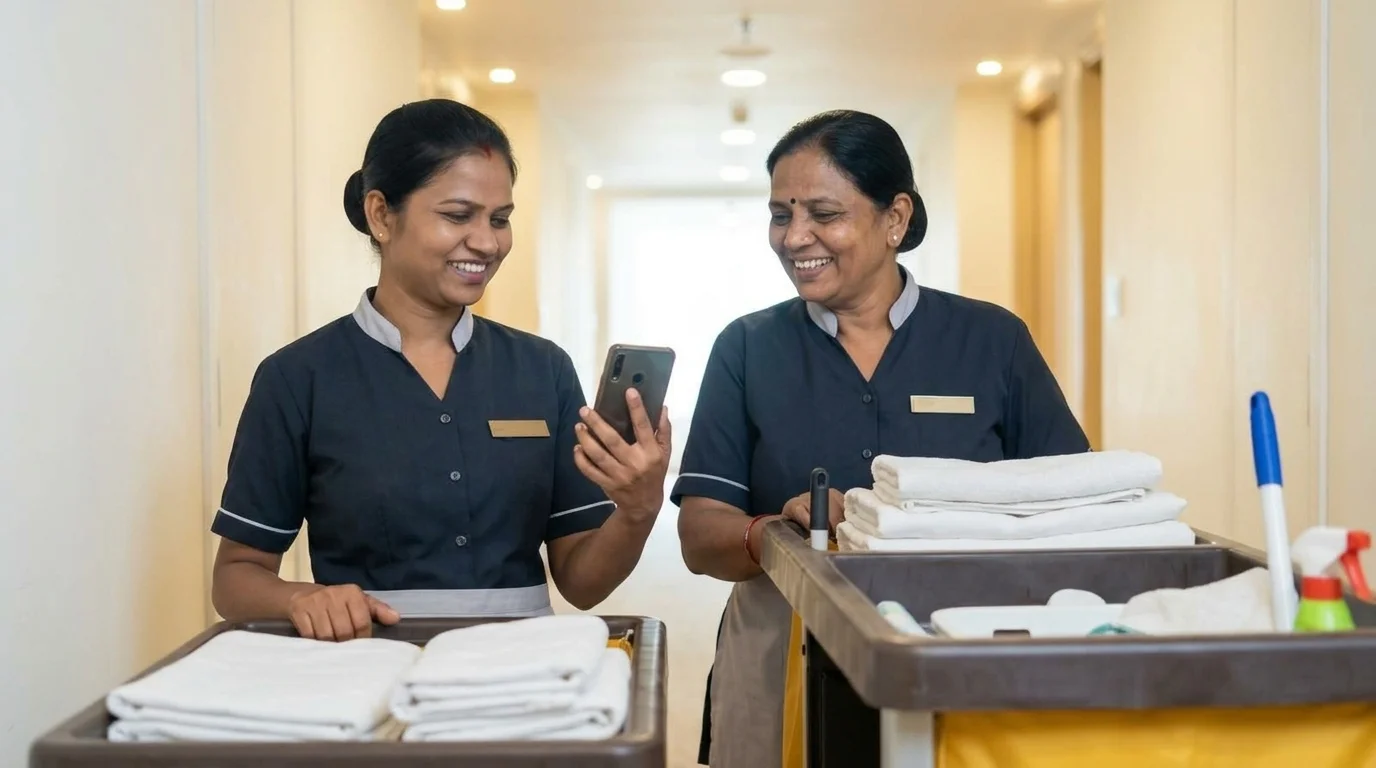
Requests arrive at the desk, on the phone and in the corridor, with nothing to show which one is due first.
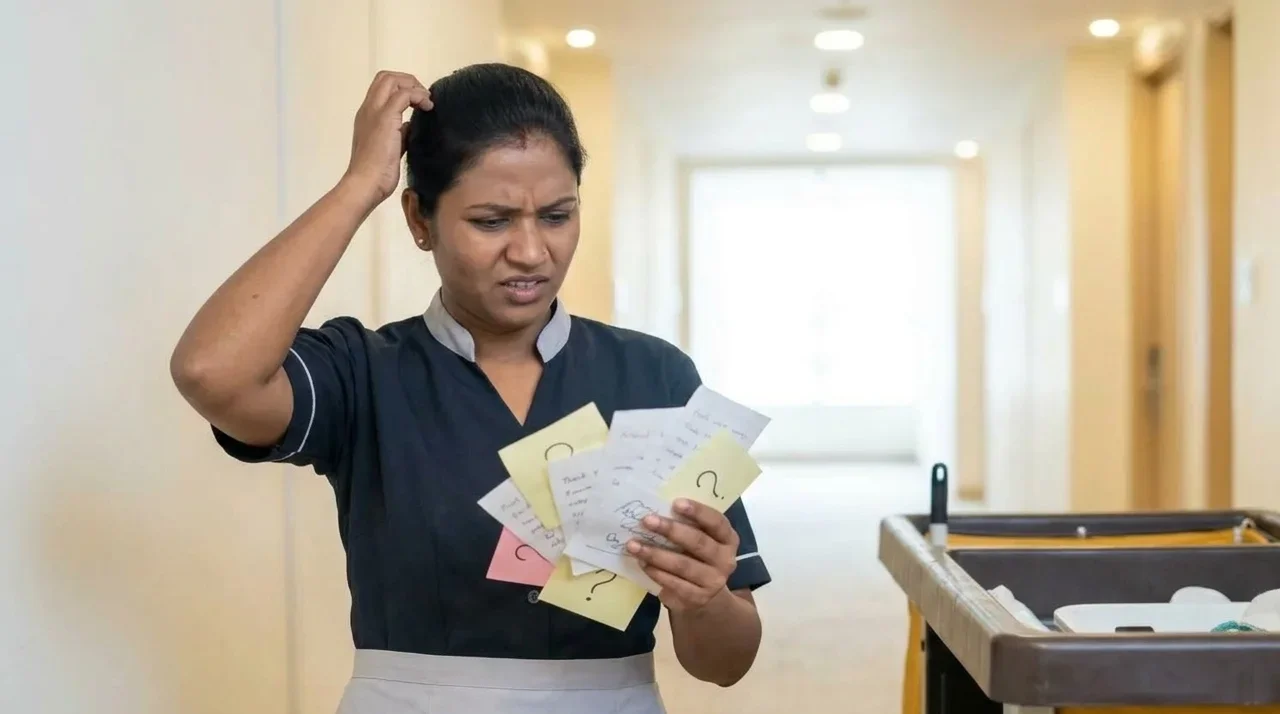 AI-generated image
Each request gets a time to be picked up and a time to be done, set by the kind of request. It turns amber before it turns red.
 AI-generated image
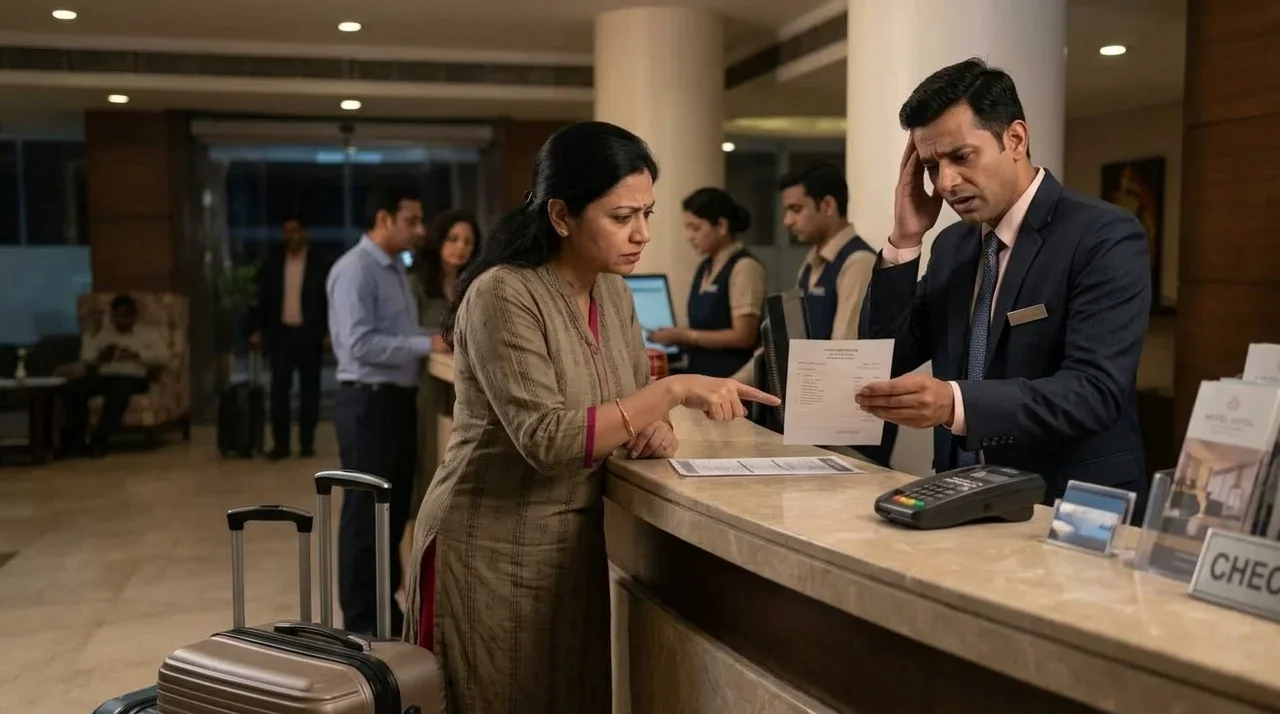
If the person who has it gets stuck, nobody above them knows - until the guest mentions it at checkout.
 AI-generated image
When a deadline passes, the supervisor is brought in, then the head of the team, then the duty manager. The person who had it still has it.
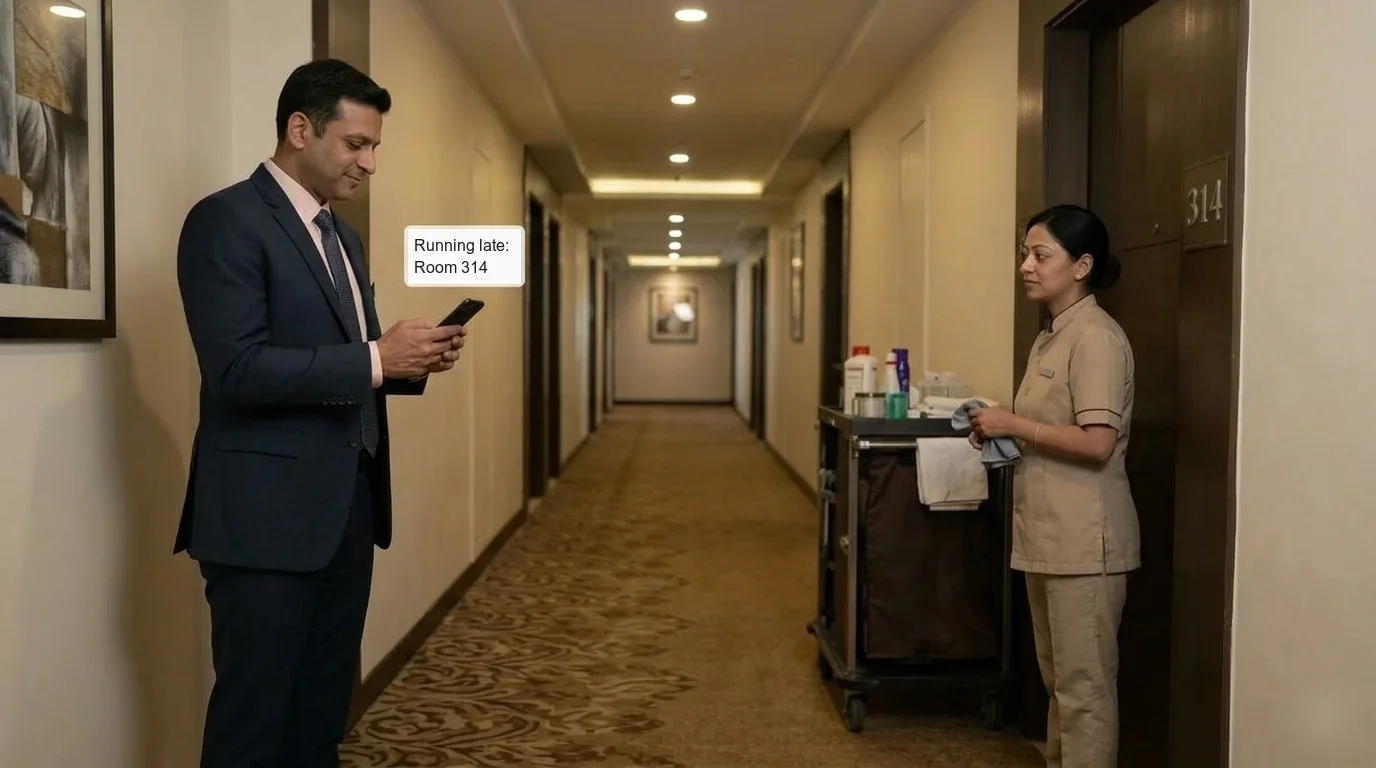 AI-generated image
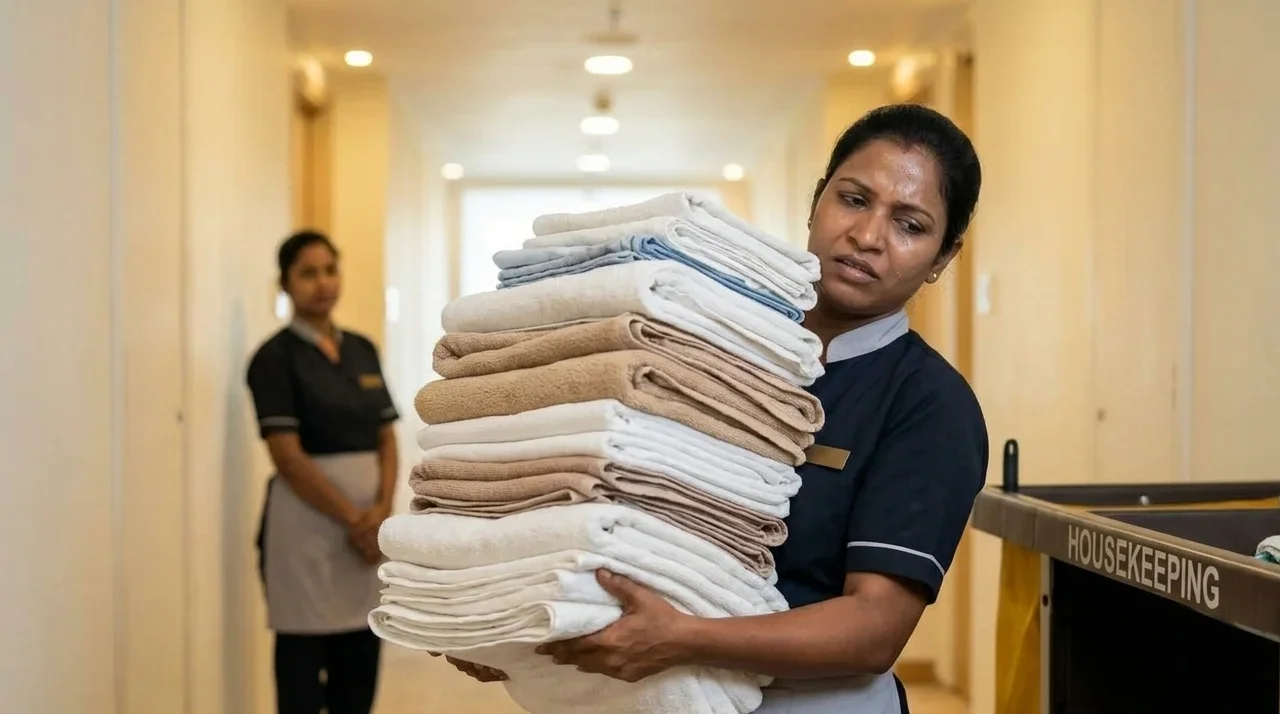
The same two people end up with everything, and a second request from a room goes to someone who never heard about the first.
 AI-generated image
New requests go to the colleague on shift with the lightest load. A second request from the same room goes to whoever is already looking after it.
 AI-generated image
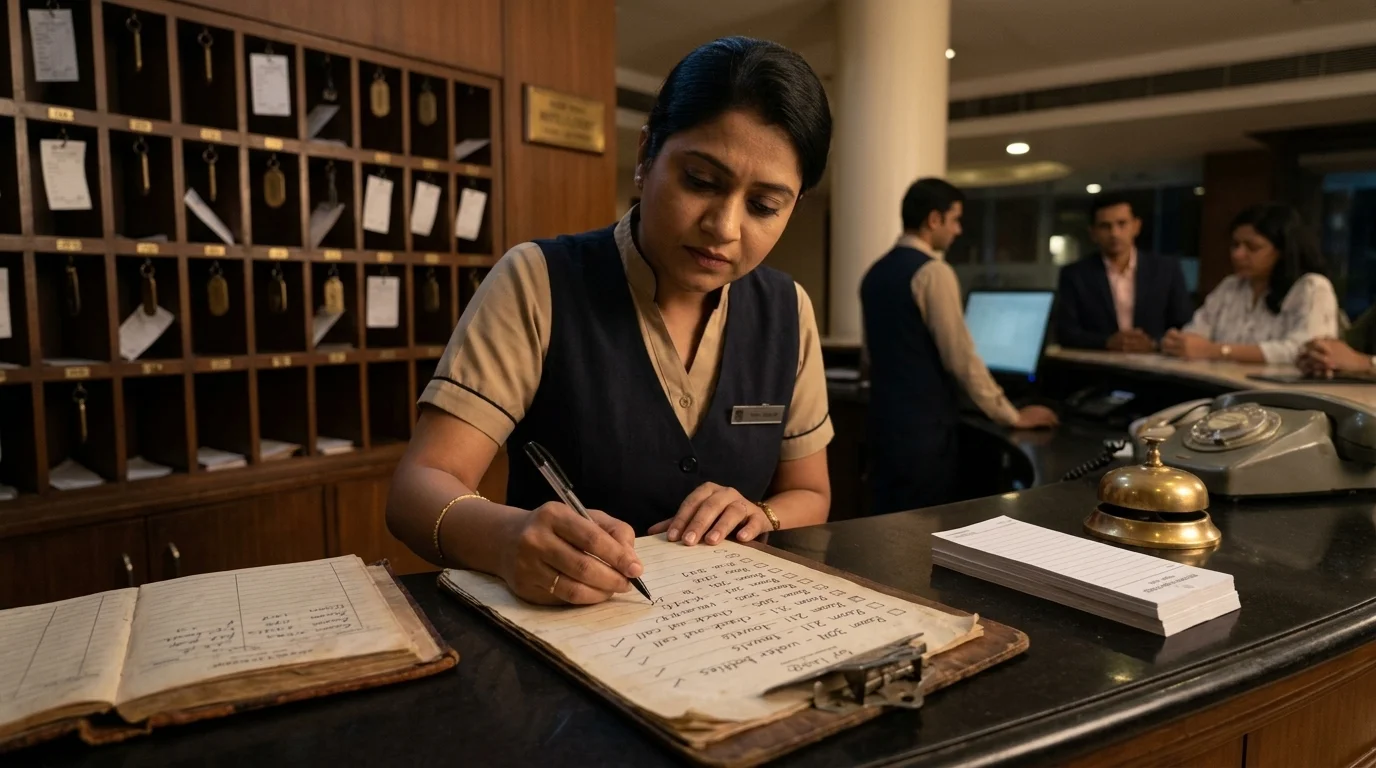
A job is ticked off at the desk. Whether the guest agrees is something you find out from the review.
 AI-generated image
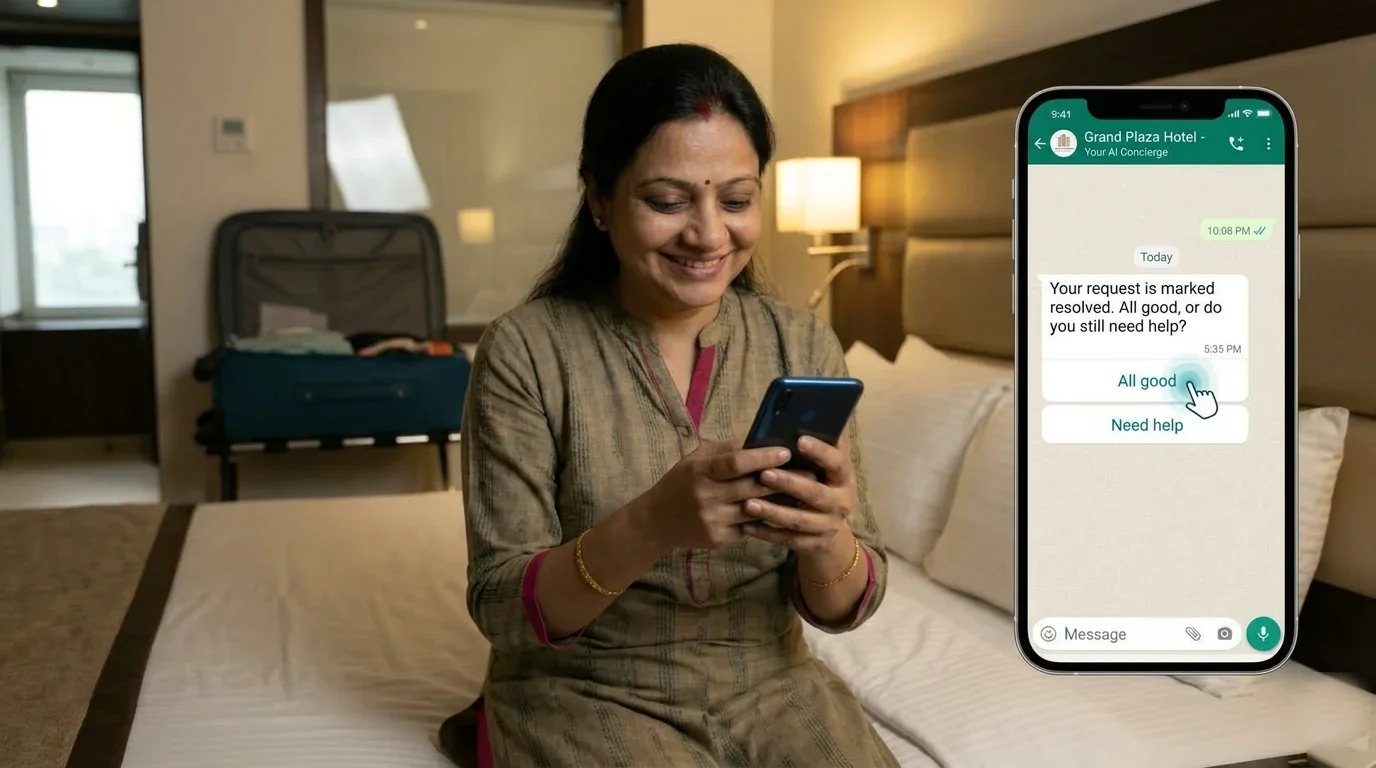
When a request is closed the guest gets a WhatsApp message with two buttons. “Need help” sends it straight back up the chain.
 AI-generated image
Every request has a deadline and a manager hears about anything running late, so very little is forgotten.
New work goes to whoever has the least on, instead of the same few people.
Supervisors and managers are brought in only when something is late, not for every request.
Every request carries names and times from start to finish.
Staff can still mark jobs as started or done in the basement or the service lift. It all catches up when the signal returns.
Throughout the stay it keeps an eye on how each guest’s requests are going and what they have said, and flags the ones who need a person.
When a guest’s call with the AI concierge ends, a short summary of what they asked for and what happened appears in their chat, so your team can catch up at a glance.
The guest asked for two extra bath towels and an iron. A request was raised for housekeeping.
Summarised by the AI conciergeSorted by how the guest felt and what they mention, with staff names picked out. You choose a reply and a person sends it.
The period just gone on one page: requests, time taken, stays flagged and how each team did.
A full Excel report by email on a schedule, and downloads from your dashboard as Excel, CSV or JSON.
We read the stay, not the person. Only while they are with you. We build no profile, keep no history between visits, and forget the whole thing at checkout.
Room 214 · second night of three. A repair went overdue and had to go up the chain. The guest was chatting an hour ago and has now gone quiet.
This is a read on what has already happened, not a guess about the future. It speaks up once - a guest is never asked twice about the same thing.
Covers yesterday · in your inbox every morning at the time you set
With the week so far, day by day, so a slow Tuesday stands out.
Covers last Monday to Sunday · on the weekday you pick
With the trend across the week, so you can see which days carried the load.
Covers last month · on the 1st of every month
With the trend across the month, ready for the owners’ meeting.
Daily, weekly or monthly, a separate email brings an Excel report: busy hours, weekdays against weekends, each department, each person’s time taken, and every request line by line.
Trends, busy times and how each team is doing, live. Download it as Excel, CSV or JSON, or save a comparison as an image.
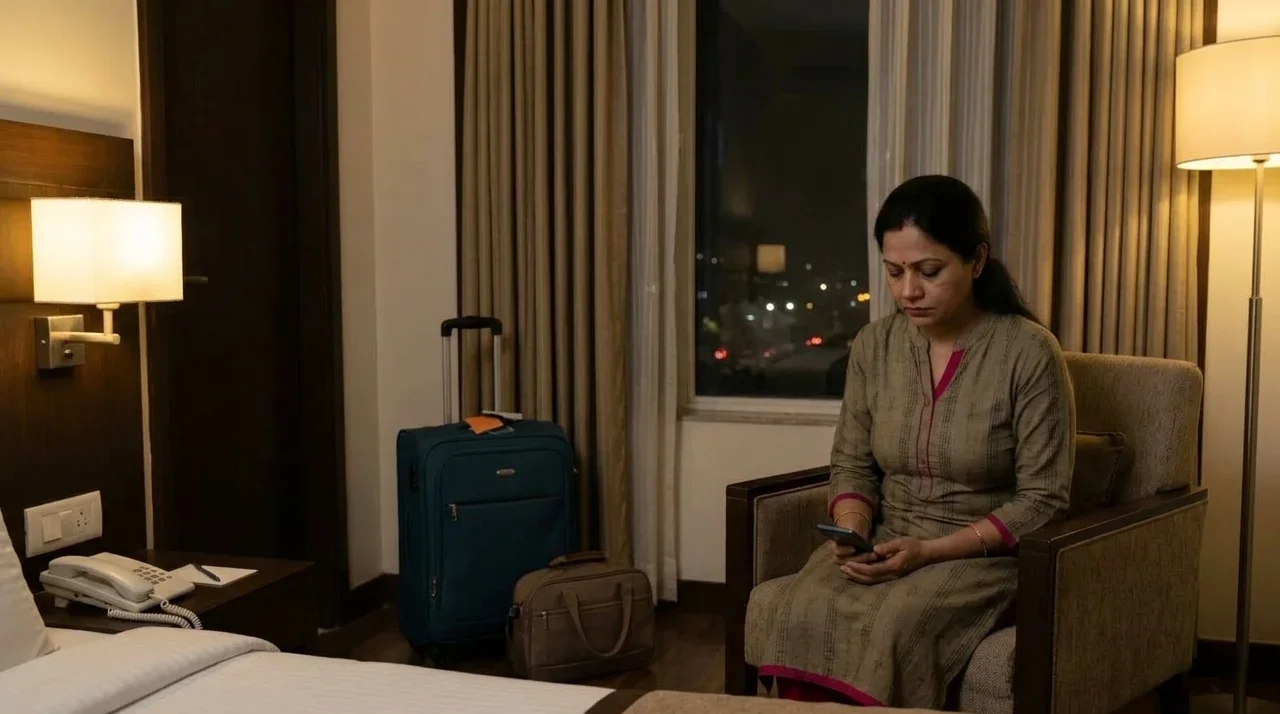
A repair ran late, the guest stopped replying, and the first you hear of it is the review.
 AI-generated image
When a request has gone wrong and the guest’s own messages say so, the right team is told and the guest is offered a real person.
 AI-generated image
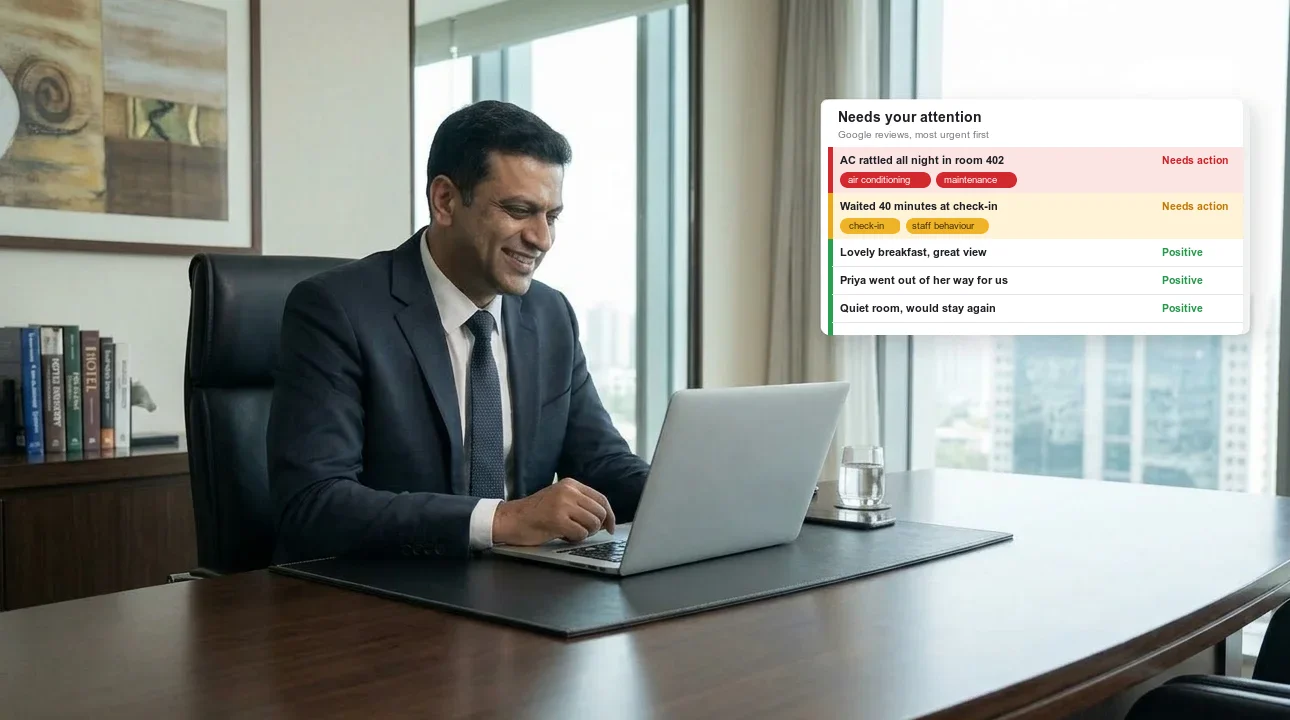
Google reviews pile up. The one about a broken AC sits between ten about breakfast.
 AI-generated image
Every Google review is read for what it is about and how the guest felt. The ones that need action rise to the top.
 AI-generated image
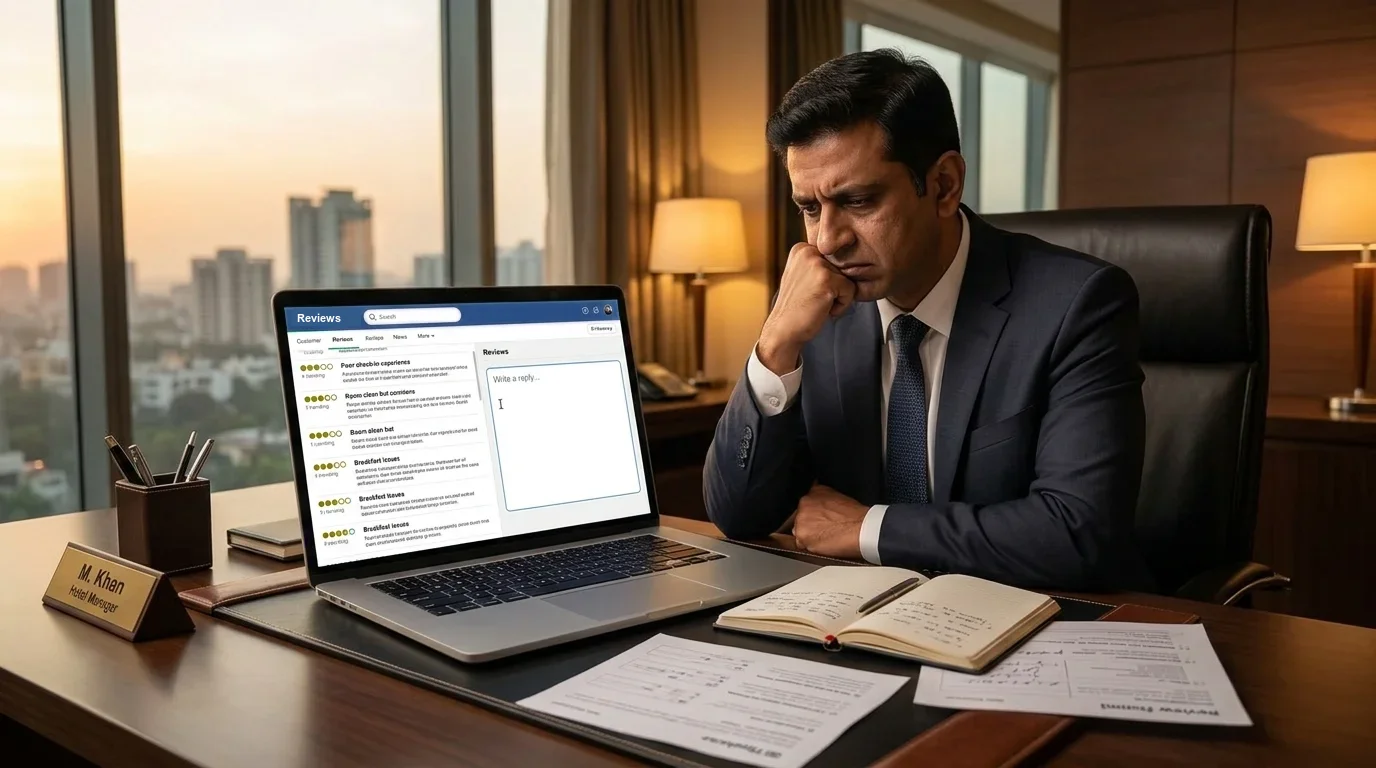
Someone senior writes every reply from scratch, so most reviews never get one.
 AI-generated image
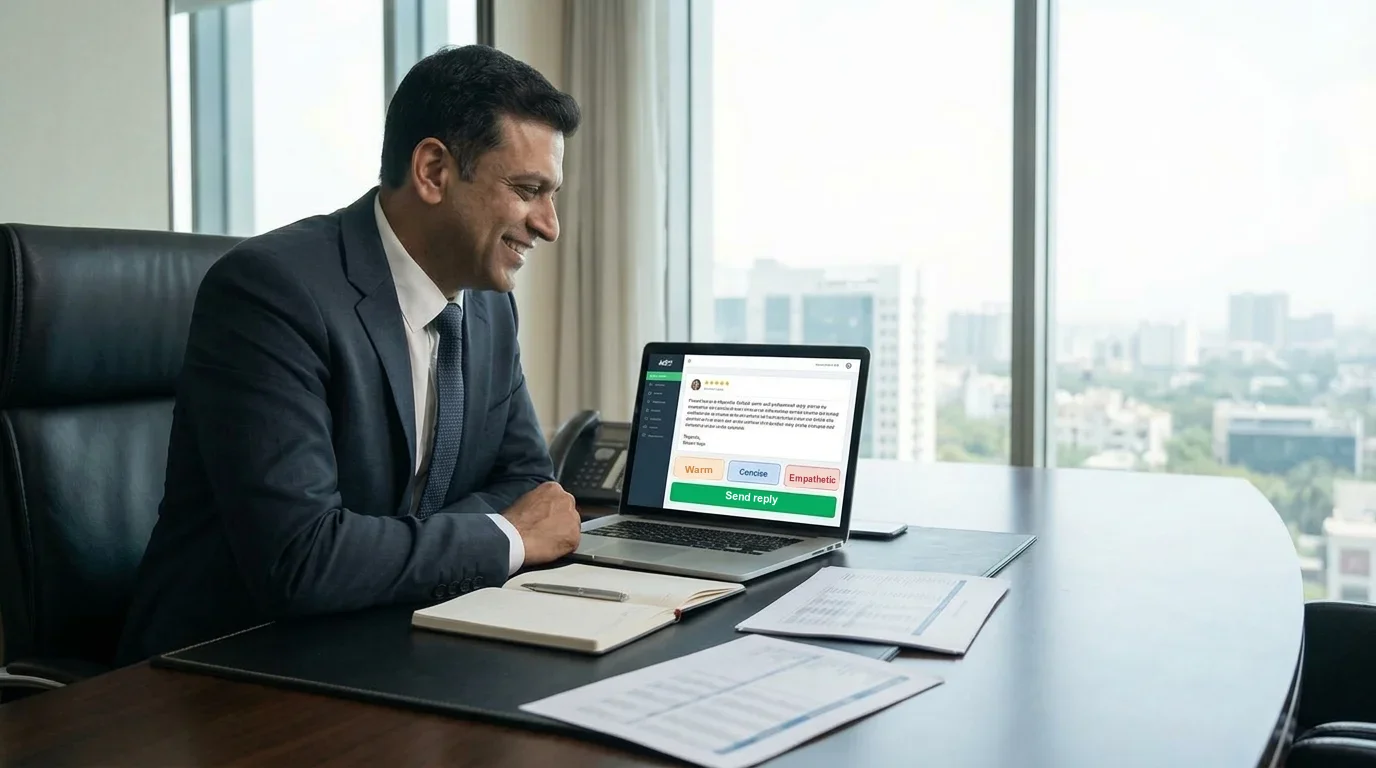
Each in its own tone, written about what the guest actually said. Nothing is posted until a person presses send.
 AI-generated image
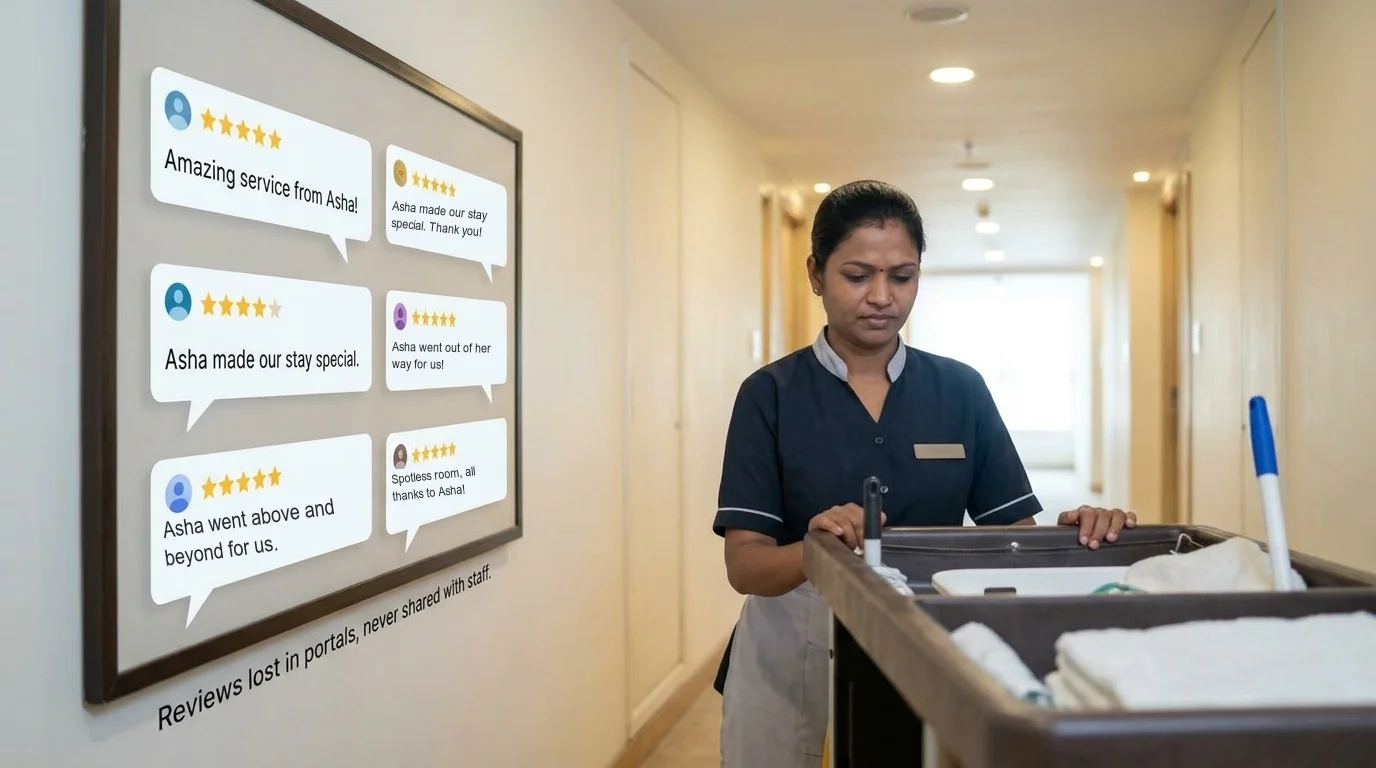
A guest names the housekeeper who went out of her way. Nobody reads it to her.
 AI-generated image
Staff names are picked out of every review, with what was said about them, so you can thank the right person.
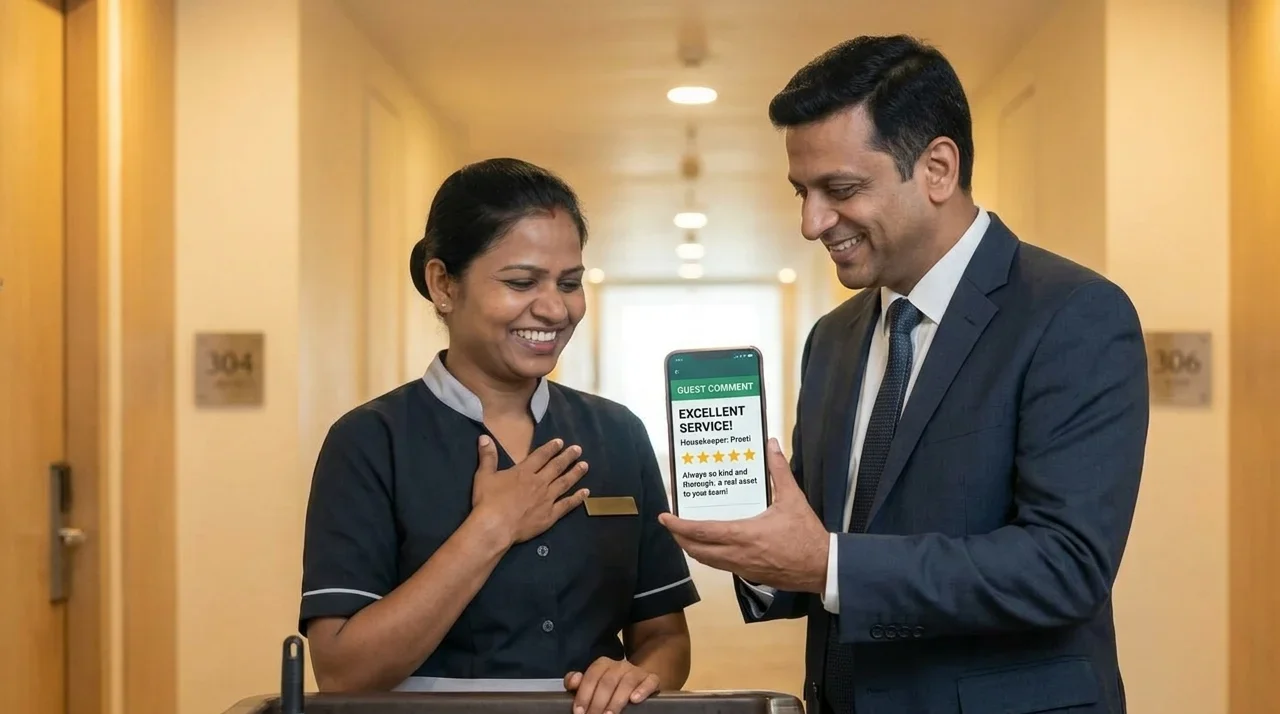 AI-generated image
When a stay is not going to plan, you hear about it while the guest is still with you.
Multiple drafts are ready for every review. Someone picks one and presses send.
Reviews are sorted by what they are about, so repeat issues such as air conditioning or Wi-Fi stand out.
Staff that guests mention by name are picked out, with what was said about them.
A short brief lands in your inbox daily, weekly or monthly, showing how the period went for every team.
We will show you the concierge answering a real request, what your team sees on the floor, and how it connects to the system you already run - then switch it on for a handful of rooms before you commit to the whole hotel.